
Every Homeowner Should Know Their Main Water Shutoff Valve
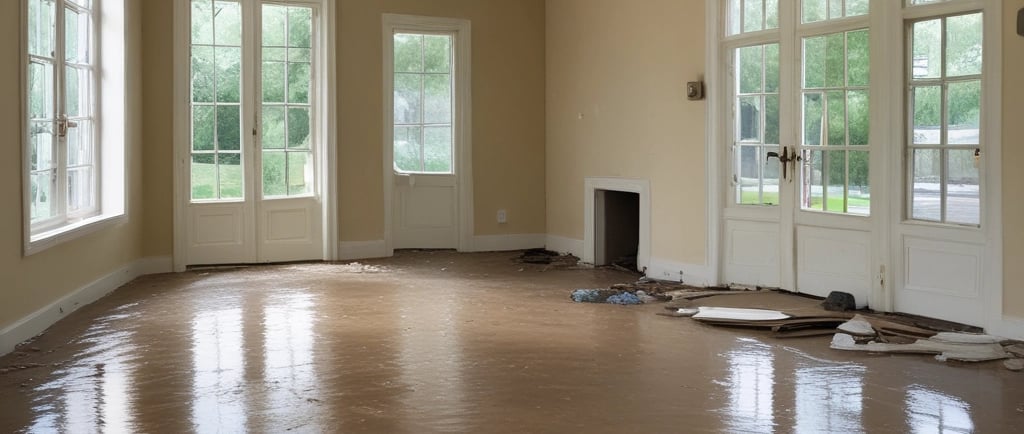
Why Every Homeowner Should Know Their Main Water Shutoff Valve
Knowing the exact location of your home’s main water shutoff valve—whether inside the house or at the street—is critical for preventing costly water damage during leaks, burst pipes, or plumbing emergencies. It gives you immediate control over your water supply until repairs can be made
Introduction
Imagine waking up to the sound of rushing water from a burst pipe. Every second counts, and the difference between a small cleanup and thousands of dollars in damage often comes down to one thing: knowing where your main water shutoff valve is located.
Why It Matters
Stops Emergencies Fast: The main shutoff valve controls all water entering your home. Closing it immediately halts leaks or bursts before they flood your property.
Prevents Structural Damage: Water can ruin drywall, flooring, and electrical systems within minutes. Quick action saves your home’s foundation and prevents mold growth.
Protects Your Wallet: Insurance claims for water damage are among the most expensive. Shutting off water quickly reduces repair costs and keeps premiums lower.
Empowers Homeowners: Instead of waiting helplessly for a plumber, you can take control of the situation and minimize damage
Common Locations
Inside the Home:
Basement or crawlspace near the front foundation wall
Garage
Utility room close to the water heater
Within five feet of where the water line enters the house
Outside the Home:
Buried near the street under a metal cover labeled “Water Meter”
May require a special tool (meter key or wrench) to operate
How to Identify It
Look for a lever or wheel-style valve attached to the main water line.
Ball valves (lever type) are common in newer homes, while gate valves (round handle) may be found in older houses
Tips for Homeowners
Practice: Test turning the valve off and on so you’re confident in an emergency.
Label It: Mark the valve clearly for family members or tenants.
Keep Tools Handy: If your valve is at the street, store a meter key in an accessible spot.
Inspect Regularly: Ensure the valve isn’t rusted or stuck; replace if necessary
Conclusion
Water emergencies don’t wait for business hours. By simply knowing where your main shutoff valve is—and how to use it—you can protect your home, your finances, and your peace of mind.
Contact
RZ PLUMBING & PLUS LLC, DBA VIRTUALPLUMBING4DIY.COM
Providing virtual plumbing guidance only. No physical plumbing services are performed.
© 2026 All Rights Reserved.
hello@virtualplumbing4diy.com
Hablas Espanol? Nosotros tambien